How to Fly Business Class for Cheap in 2026
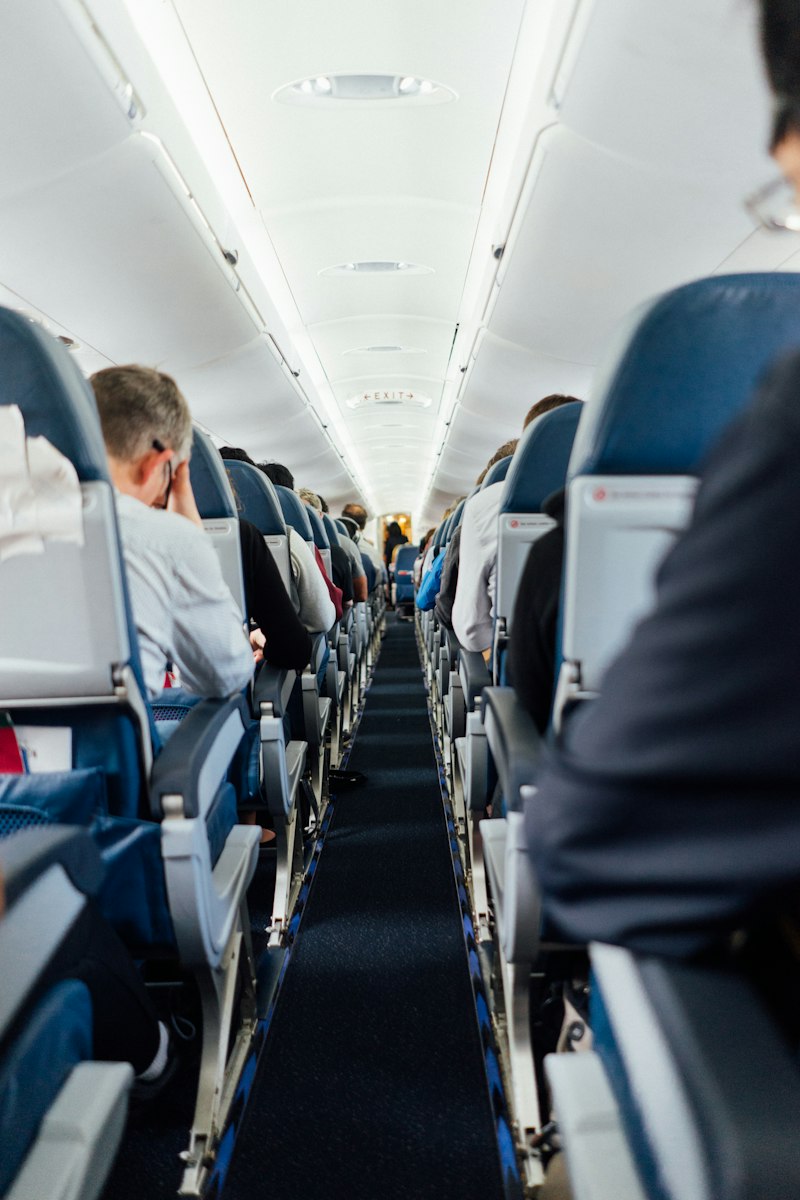
Business class on a long-haul flight is a completely different experience from economy. Lie-flat seats, proper meals, lounge access, extra baggage, and priority everything transform a 12-hour ordeal into something genuinely enjoyable. The problem is the price. A round-trip business class ticket from the US to Europe or Asia regularly costs 3,000 to 8,000 dollars or more.
But almost nobody who flies business class regularly pays those prices. Experienced travelers use a combination of strategies to fly at the front of the plane for a fraction of the retail cost. Some of these methods require effort and planning. Others require luck and flexibility. All of them work.
Method 1: Credit Card Points and Miles
This is the most reliable and repeatable way to fly business class cheaply. The basic concept is straightforward: earn points through credit card spending, then transfer those points to airline programs and book award flights.
The economics work because credit card points are worth significantly more when redeemed for business class than for economy. A Chase Ultimate Rewards point might be worth 1 cent if redeemed for cash back, but 2 to 4 cents when transferred to an airline partner and used for a business class award ticket. This multiplier effect is what makes the points-and-miles game worthwhile.
A typical business class award ticket to Europe costs 50,000 to 70,000 miles one way through programs like Air Canada Aeroplan, Virgin Atlantic Flying Club, or Air France-KLM Flying Blue. To Asia, expect 60,000 to 85,000 miles one way through programs like ANA Mileage Club, Cathay Pacific Asia Miles, or Singapore KrisFlyer.
The key is earning enough points. A single premium travel credit card sign-up bonus often provides 60,000 to 100,000 points, which is enough for one business class flight. Ongoing spending, particularly if you use category bonus earning on dining, travel, and groceries, accumulates points at 2 to 5 times the base rate.
Most experienced points collectors maintain two or three credit cards from the Chase, Amex, and Capital One ecosystems. The transferable points from these cards give you access to dozens of airline partners, which means you always have options when searching for award availability.
The limiting factor is usually not points but award availability. Airlines release a limited number of seats for award redemptions, and popular routes during peak seasons can be difficult to find. Flexibility with dates, willingness to connect through different hubs, and the ability to search across multiple programs dramatically improve your odds.
Method 2: Mistake Fares and Error Fares
Airlines occasionally publish fares with pricing errors. A business class ticket that should cost 4,000 dollars might appear for 800 dollars due to a currency conversion error, a misplaced decimal point, or a glitch in the fare filing system.
These mistake fares are rare and unpredictable, but they do happen multiple times per month across the global airline industry. The key is being positioned to catch them quickly, because they are usually corrected within hours.
Follow deal-tracking accounts and communities that monitor for error fares. Services like Secret Flying, The Points Guy, and various social media accounts dedicated to flight deals regularly post mistake fares as they are discovered. Many travelers also use fare alert tools that notify them of unusual price drops.
When you find a mistake fare, book immediately. Do not wait to check with travel companions, do not wait to request time off work, and do not wait to research the destination. Book first and sort out details later. Most airlines have 24-hour cancellation policies, so you can cancel if the trip does not work out.
Not all mistake fares are honored. Airlines have the legal right to cancel tickets purchased at obviously erroneous prices. However, many choose to honor them rather than deal with the customer service headache. The Department of Transportation previously required airlines to honor mistake fares, and while that specific rule has changed, airlines still honor a significant percentage of error fares.
Method 3: Positioning Flights
Sometimes business class from a specific city is expensive, but the same route from a different city is dramatically cheaper. A positioning flight is a cheap economy flight to a departure city where business class fares are lower.
For example, business class from New York to Europe might cost 3,500 dollars, but business class from Reykjavik to Europe might cost 1,200 dollars. If you can find a round-trip flight from New York to Reykjavik for 300 dollars, your total cost is 1,500 dollars for a trip that would otherwise cost 3,500, plus you get to spend a day in Iceland.
Common positioning strategies include flying to Scandinavian cities for cheap business class to Europe, flying to Asian gateway cities like Bangkok or Kuala Lumpur for cheap business class within Asia, and using cheap transatlantic fares from Canadian cities that are often significantly less than comparable US departures.
The downsides are added complexity, more connections, and the risk that a delay on your positioning flight could cause you to miss the business class segment. Build in buffer time when using this strategy.
Method 4: Ex-EU and Ex-Asia Fares
Airline pricing varies significantly depending on the country of origin. A business class ticket originating in the United States might cost twice as much as the same itinerary originating in Europe or Asia.
By booking round-trip tickets that originate in a cheaper market, you can access significantly lower fares. For example, a round-trip business class ticket from Lisbon to New York might be 1,500 to 2,000 dollars, while the same flight starting from New York to Lisbon might be 3,500 to 4,500 dollars.
To use this strategy, you book the foreign-origin ticket and then get yourself to the starting city with a separate cheap economy flight or by incorporating it into a multi-city itinerary. The savings on the business class segment often more than cover the additional positioning cost.
Search fares from multiple origin cities to find the best deals. Historically affordable origin points include Lisbon, Madrid, Cairo, Bangkok, Kuala Lumpur, and various cities in India and South America.
Method 5: Upgrade Strategies
Sometimes the cheapest path to business class starts with an economy ticket.
Airline upgrade auctions let you bid on empty business class seats a few days before departure. Carriers including Lufthansa, Air New Zealand, Virgin Atlantic, and others operate these programs. You name your price, and if the airline has unsold seats and your bid is competitive, you get upgraded at a fraction of the retail difference.
Typical successful bids range from 200 to 800 dollars for upgrades on long-haul flights, which represents enormous savings compared to booking business class outright. The uncertainty is the downside since you will not know until shortly before departure whether your bid was accepted.
Cash upgrade offers at check-in are another option. Airlines sometimes offer paid upgrades to business class at the airport or during online check-in for 300 to 1,000 dollars on long-haul flights. These are discretionary and unpredictable, but checking during online check-in costs nothing.
Elite status with an airline also provides upgrade opportunities. Top-tier frequent flyers often receive complimentary upgrades when business class has empty seats. This requires significant travel volume to achieve, but for people who fly frequently for work, the status-based upgrades can be very valuable.
Method 6: Fifth Freedom Flights
Fifth freedom flights are routes where an airline operates between two foreign countries. These flights often have unusual pricing that makes business class much more affordable.
Examples include Singapore Airlines’ flight from New York to Frankfurt, which is significantly cheaper than its flights to Singapore. Emirates operates several fifth freedom routes that offer business class at a discount to their regular network fares. Ethiopian Airlines offers affordable business class on various African routes.
These flights often feature the airline’s best products since they are operating international-spec aircraft on routes that might not otherwise justify them. The combination of a premium product and lower pricing makes fifth freedom routes some of the best business class values available.
Method 7: Last-Minute Award Space
Airlines would rather fill empty business class seats with award passengers than fly them empty. As departure dates approach, many carriers release additional award seats that were not available months earlier.
Checking award availability within two weeks of departure can reveal opportunities that did not exist when you first searched. This is particularly true for European carriers like Lufthansa, Swiss, and Austrian, which are known for releasing last-minute business class award space.
The catch is that this requires extreme flexibility. You need to have points available, be able to travel on short notice, and accept that the availability might not materialize. But for travelers with flexible schedules, monitoring last-minute award space is a legitimate strategy for flying business class at low point costs.
Evaluating Business Class Products
Not all business class is created equal. The experience ranges from fully enclosed suites with doors, personal screens, multi-course dining, and onboard showers to slightly larger seats with a bit more recline than economy.
For long-haul flights of 8 hours or more, the key feature is a lie-flat seat. The ability to sleep horizontally transforms the travel experience and is the primary reason most people seek out business class. Nearly all major carriers offer lie-flat seats on long-haul routes, but some regional or short-haul business class products are simply economy seats with a blocked middle seat, which is not worth a large premium.
Research the specific aircraft and seat configuration before booking. SeatGuru and airline-specific forums provide detailed reviews of business class products on specific routes and aircraft types. The difference between a carrier’s flagship business class and the product on their older aircraft can be dramatic.
Building a Strategy That Works for You
The most effective approach combines multiple methods rather than relying on any single one.
Build a points balance through everyday credit card spending and strategic sign-up bonuses. This gives you a foundation for booking award flights when good availability appears.
Monitor mistake fares and deal alerts. Set up notifications so you catch errors and sales quickly. When a great deal appears, be ready to act.
Develop flexibility in your travel plans. The single factor that most determines whether you fly business class cheaply is your willingness to adjust dates, routes, and sometimes destinations based on where the deals and availability are.
Use positioning flights and foreign origin fares when the math works. Run the numbers on the total trip cost including positioning rather than just comparing the headline fare.
Business class travel is not exclusively for the wealthy. With the right strategies, patience, and flexibility, it is accessible to anyone willing to put in the effort to find deals and optimize their bookings. The first time you board a long-haul flight, turn left, and settle into a lie-flat seat that cost you a fraction of the retail price, the effort feels very worthwhile.
Your Points Are Gathering Dust
The average traveler leaves $400/year on the table. Don't be average.
Put Them to Work →Never Miss a Deal
Join thousands of savvy travelers who get our weekly newsletter with mistake fares, points tips, and exclusive travel deals.
No spam. Unsubscribe anytime.