How to Travel Cheap Without Sacrificing Comfort
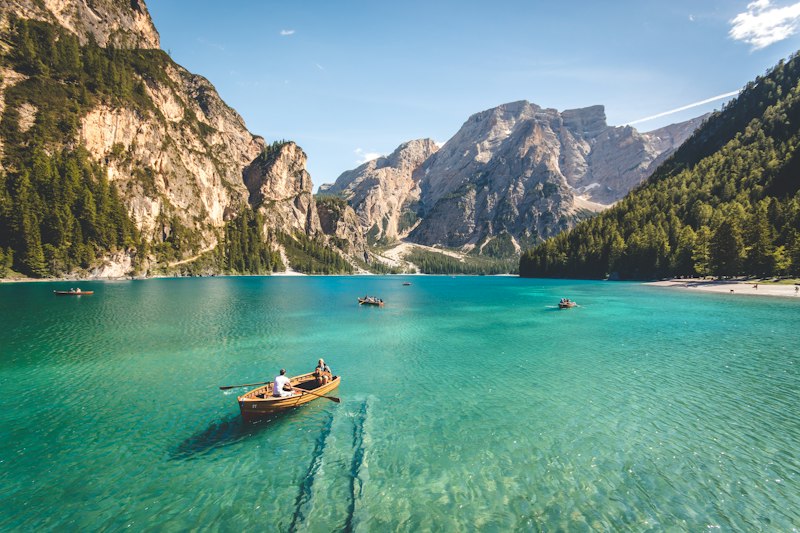
There is a common misconception that budget travel means sleeping in noisy hostels, eating instant noodles, and taking 12-hour bus rides to save 20 dollars. That version of budget travel exists, and some people enjoy it, but it is not the only way to spend less on travel.
Smart budget travel is about eliminating waste, not eliminating comfort. Most travelers overspend not because they choose expensive options, but because they do not know the cheaper alternatives exist or do not take the time to find them. The gap between what you pay and what you could pay is often surprisingly large, and closing that gap rarely requires sacrificing anything meaningful.
This guide focuses on practical strategies for traveling comfortably at a significant discount to what most people pay.
Rethink Your Biggest Expense: Flights
Flights are typically the single largest travel expense, and they are also where the biggest savings are available. The difference between a well-booked flight and a poorly-booked one on the same route can easily be several hundred dollars.
Flexibility is the most powerful money-saving tool for flights. If you can shift your departure date by even two or three days, you often find dramatically different prices. Use the calendar view on Google Flights to see how prices vary across an entire month. Midweek departures are usually cheaper than weekend ones, and red-eye flights are often discounted.
Nearby airports can save significant money. If you live within driving distance of multiple airports, search from each one. A two-hour drive to a different departure airport might save you 300 dollars on an international flight. Some travelers even book cheap positioning flights to major hubs where international fares are more competitive.
Book at the right time. For domestic flights, the sweet spot is usually one to three months before departure. For international flights, two to five months ahead tends to offer the best prices. Booking very far in advance or very last minute usually costs more, with a few exceptions for error fares and last-minute sales.
Set price alerts on Google Flights, Hopper, and Kayak for routes you are considering. Let the tools monitor prices for you and notify you when fares drop. This passive approach often catches deals you would miss with occasional manual searching.
Accommodation: Beyond Hotels and Hostels
Hotels are the default accommodation choice, but they are rarely the best value, especially for stays longer than a few nights.
Apartment rentals through platforms like Airbnb, Vrbo, and Booking.com often cost less than hotels while providing more space, a kitchen, and a more local experience. The kitchen alone can save significant money on food. For groups or families, the savings are even more dramatic since apartments that sleep four or six people often cost less than two hotel rooms.
Look for weekly discounts. Many hosts offer 10 to 20 percent discounts for stays of a week or longer. If you are spending a week in one place, this discount can cover an extra day or two of accommodation.
Guesthouses and small family-run hotels consistently offer better value than chain hotels in most destinations. They tend to be cheaper, more characterful, and often include breakfast. In much of Asia, Central America, and Eastern Europe, guesthouses with clean private rooms, hot showers, and reliable wifi cost 15 to 30 dollars per night.
House sitting is a legitimate free accommodation option for flexible travelers. Platforms like TrustedHousesitters connect homeowners who need pet and home care during their absence with travelers willing to provide it. You stay in someone’s home for free in exchange for taking care of their pets and property. Competition for desirable sits in popular destinations is high, but if you build a good profile and apply consistently, it is a viable strategy.
Hotel loyalty programs offer a middle path. If you prefer hotels, concentrating your stays with one chain builds status that comes with room upgrades, free breakfast, late checkout, and eventually free nights. The key is picking one program and being loyal to it rather than spreading stays across multiple brands.
Food: Eat Well for Less
Food is the travel expense where most people either overspend dramatically or cut corners in ways that diminish their trip. Neither extreme is necessary.
Eat your biggest meal at lunch. In many countries, restaurants offer lunch specials or set menus at significantly lower prices than dinner. In much of Europe and Latin America, the lunchtime menu del dia or prix fixe is the same food at half the dinner price. Make lunch your main restaurant meal and keep dinner simpler.
Use the kitchen in your apartment rental. You do not need to cook every meal, but making breakfast and the occasional dinner saves substantial money. Pick up bread, cheese, fruit, and local specialties from markets and grocery stores. In many destinations, the market itself is an experience worth having, and the food you find there is often better than what restaurants serve.
Street food and market food is not just cheap, it is frequently the best food available. In most of Southeast Asia, Mexico, the Middle East, and India, the most delicious food comes from vendors who have been perfecting a single dish for decades. A three-dollar plate from a Bangkok street stall is likely to be better than a fifteen-dollar version at a tourist restaurant.
Avoid eating in tourist zones. Walk ten minutes away from the main square, the waterfront promenade, or the famous landmark and prices drop by 30 to 50 percent while quality often improves. Use Google Maps to find restaurants with lots of local reviews rather than traveler reviews.
Drink smart. Alcohol in restaurants and bars is often marked up enormously. Buy local beer or wine at shops and enjoy it at your accommodation or in parks where permitted. When you do go out, look for happy hours and local bars rather than cocktail lounges in tourist areas.
Transport: Move Efficiently
After flights and accommodation, getting around is usually the third largest expense. A few strategies keep this cost manageable.
Walk as much as possible. This sounds obvious, but many travelers default to taxis or ride-hailing for distances that are perfectly walkable. Walking 20 to 30 minutes through a neighborhood teaches you more about a place than a ten-minute taxi ride, and it costs nothing.
Learn the local public transport system on day one. Buy a transit pass if one is available. In cities like London, Tokyo, Seoul, and most European capitals, the public transit system is efficient, safe, and vastly cheaper than taxis. A weekly transit pass in a European city might cost what a single taxi ride from the airport costs.
For intercity travel, buses are almost always cheaper than trains, and trains are almost always cheaper than flights. But factor in time as well. A 50-dollar bus ride that takes 8 hours might not be a better deal than a 90-dollar flight that takes 1 hour when you account for the value of your time and the hotel night you might save.
Rent a car only when it makes sense. In cities, a rental car is usually an expensive liability between parking fees, traffic, and the stress of navigating unfamiliar roads. But for road trips, rural areas, and destinations with limited public transport, splitting a rental car among two or more people is often the cheapest and most flexible option.
Activities and Experiences
Paid activities add up faster than most people expect. Entrance fees, guided tours, boat trips, and adventure activities can easily consume 30 to 50 dollars per person per day if you are not selective.
Prioritize ruthlessly. You do not need to do everything. Pick the two or three experiences that genuinely interest you most in each destination and skip the rest. A few deeply enjoyed activities are worth more than a packed schedule of things you did because the guidebook said to.
Look for free alternatives. Many museums have free entry days or reduced evening hours. Walking tours operate on a tip-what-you-want model in most major cities. Parks, beaches, markets, neighborhoods, and viewpoints are free. Some of the best travel experiences, like wandering through a new city at golden hour, cost nothing.
Book directly when possible. Many tours and activities are cheaper when booked directly with the operator rather than through aggregator platforms that take a commission. This is especially true in developing countries where small operators may offer significant discounts for direct bookings or cash payment.
Talk to other travelers and locals about what is actually worth paying for. The overpriced tourist trap that every guidebook recommends and the genuinely memorable experience that costs a third as much often exist within a few blocks of each other.
The Meta-Strategy: Spend Consciously
The underlying principle behind all of these strategies is conscious spending. Most travel overspending happens on autopilot. You are tired, hungry, or in a hurry, so you take the taxi instead of the bus, eat at the restaurant with the English menu instead of walking further, or book the first hotel that appears in search results.
Before each spending decision, briefly consider whether a cheaper alternative exists that would be nearly as good. Not every time, because the point of travel is enjoyment, not accounting. But often enough to catch the moments where you are about to spend 50 dollars on something that a 10-dollar alternative would serve equally well.
Track your spending, at least roughly. Many travelers are shocked when they add up what they actually spent versus what they budgeted. A simple note on your phone with daily totals helps you spot overspending before it compounds. If you notice you have been spending 80 dollars a day when you planned for 50, you can adjust your next few days to compensate.
The Comfort Baseline
The final point is about defining what comfort means to you. For some people, a private room with a hot shower is non-negotiable. For others, air conditioning is the line. For others still, reliable wifi matters more than anything else.
Identify your non-negotiables and protect them. Cut costs everywhere else aggressively, but do not compromise on the things that would make you miserable. Traveling cheap and being uncomfortable creates bad memories and makes you not want to travel. Traveling cheap while maintaining your personal comfort baseline creates good memories and makes you want to do it again.
The best budget travelers are not the ones who spend the least. They are the ones who get the most value per dollar while still genuinely enjoying the experience. That balance is different for everyone, and finding your version of it is the real skill of budget travel.
Your Points Are Gathering Dust
The average traveler leaves $400/year on the table. Don't be average.
Put Them to Work →Never Miss a Deal
Join thousands of savvy travelers who get our weekly newsletter with mistake fares, points tips, and exclusive travel deals.
No spam. Unsubscribe anytime.